How to Make Salad Cups For Kids That Keep Veggies Fun

Dr Nick Fuller
Leading Obesity Expert at the University of Sydney and founder of Interval Weight Loss.
If you’ve ever tried to serve your child a traditional salad only to be met with that face—the one that screams ‘nope, not happening’—you’re not alone. Many kids are sensitive to textures. One study indicates that roughly 16%–22% of young children may display some degree of sensitivity to food textures. This makes crunchy veggies or leafy greens a bit of a challenge. But here’s the fun twist: salad cups flip the script entirely.
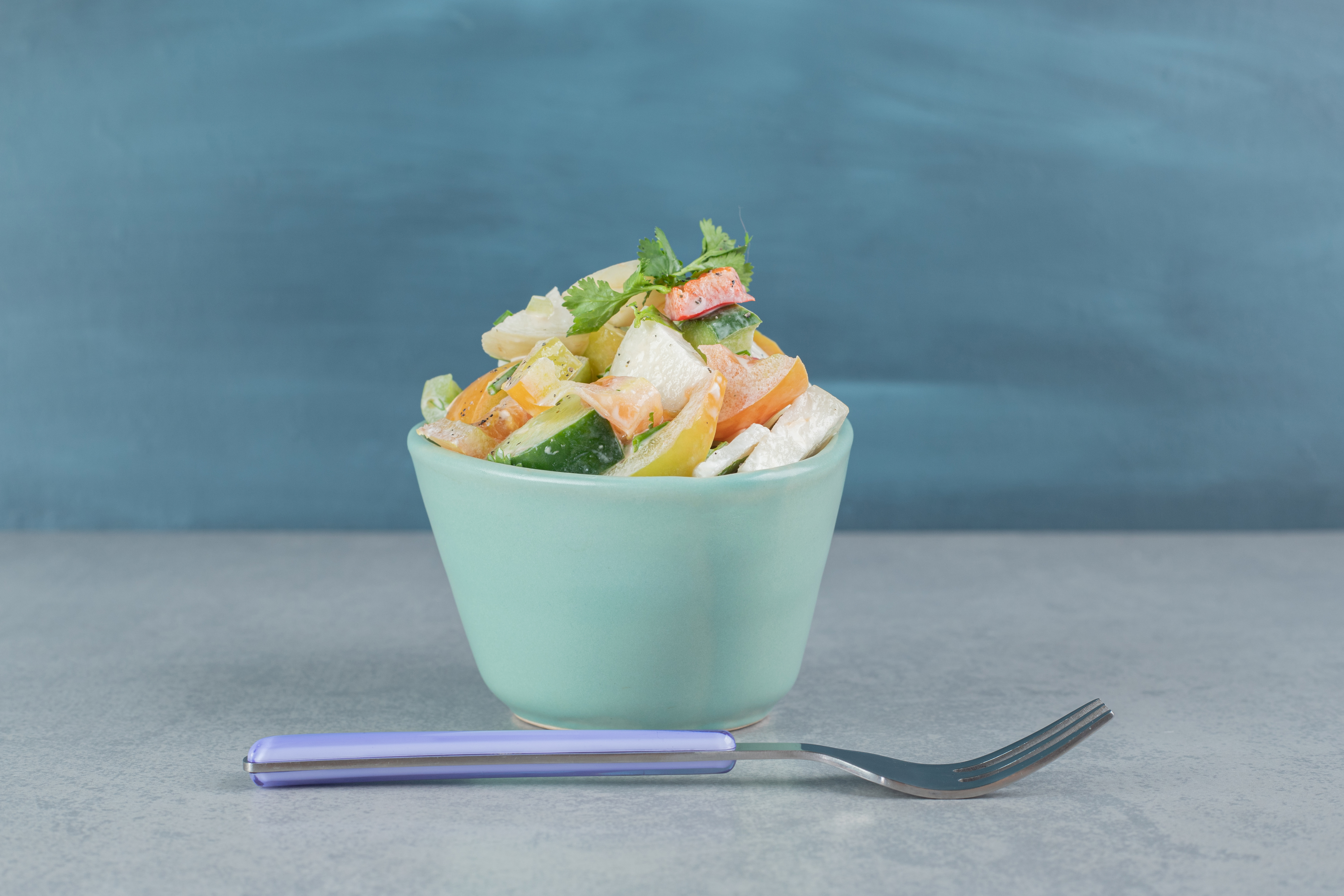
These cute, colourful, snack-style cups make veggies feel more like a treat than a chore. Because they’re bite-sized, layered, and easy for small hands to hold, they tick the boxes for fun presentation, simple eating and portion-controlled nutrition.
Ready to make salads that are actually exciting for kids? Read on!
Help Your Kids Love Healthy Food!
Healthy meals don’t have to be a battle. In Healthy Parents, Healthy Kids, Dr Nick Fuller shares expert tips for turning colourful, playful dishes into fun, appealing, and nutrient-packed meals. His strategies help kids develop positive eating habits without stress at the table.
Grab your copy of Healthy Parents, Healthy Kids today and make healthy meals enjoyable for the whole family.
What to Add in a Salad Cup
There’s no single ‘right’ way to build a salad cup: mix, match and play with textures, colours and flavours. Here’s a massive ingredient list to help you build the perfect kid-approved version:
- Lettuce
- Spinach
- Romaine
- Mixed greens
- Cherry tomatoes
- Cucumber
- Sweet corn
- Carrots
- Bell peppers
- Peas
- Broccoli
- Boiled eggs
- Grilled chicken
- Cheese cubes
- Mozzarella balls
- Chickpeas
- Beans
- Tofu
- Apple cubes
- Grapes
- Mandarin slices
- Strawberries
- Blueberries
- Cooked pasta
- Couscous
- Brown rice
- Croutons
- Sunflower seeds
- Pumpkin seeds
- Yogurt dressing
- Olive oil
- Lemon
- Honey mustard
- Ranch dressing
- Cream dressing
How to Make Salad Cups for Kids

Light, crunchy and colourful, these kid-friendly salad cups are made by baking tortillas or pitas into crisp cups, then filling them with fresh veggies. Perfect for snacks, lunchboxes or easy dinners.
Type: Vegetarian, Nut-free, Can be made dairy-free and gluten-free (use GF wraps)
Serves: 4–6 kids (makes 8–10 cups)
Prep Time: 10 minutes
Cooking Time: 6–8 minutes
Ingredients
- 2 large tortillas or 2 wholemeal pitas (use gluten-free if needed)
- 1 cup shredded lettuce or baby spinach
- ½ cup diced cucumber
- ½ cup chopped cherry tomatoes
- ¼ cup grated carrot
- ¼ cup corn kernels
- Optional add-ins: shredded chicken, chickpeas, cheese cubes or boiled egg slices
- 2–3 tbsp dressing (yogurt dressing, ranch, honey mustard or lemon–olive oil)
Recipe
Make the Tortilla or Pita Cups
- Preheat the oven to 180°C.
- Spray a muffin tray lightly with oil.
- Cut each tortilla into 4 quarters.
- Press each quarter into a muffin slot.
- Bake for 6–8 minutes or until crisp and golden.
- Cool completely to set into cups.
For pita cups:
- Split each pita into two thin rounds.
- Cut into quarters.
- Press each piece into a muffin tray.
- Bake for 5–7 minutes.
- Allow to cool before filling.
Assemble the Salad Cups
- Add lettuce or spinach first.
- Layer cucumber, tomatoes, carrot and corn.
- Add optional protein if using.
- Drizzle dressing just before serving, or pack it separately for lunchboxes.
Want even more colourful, fun ways to get kids eating their greens? Check out our Innovative Salad Ideas for Kids That Make Veggies Fun.
Why Kids Love Salad Cups
Kids don’t just enjoy salad cups because they’re healthy. They love them because they feel fun, hands-on and totally different from the usual ‘big bowl of greens’.
Colourful and fun to look at
Kids are naturally drawn to colourful foods, and research shows that children are more likely to try foods when they’re visually appealing or arranged in playful ways. A study found that kids prefer plates with more colour variety, even up to six different colours. Salad cups deliver exactly that: a mini rainbow that feels exciting, not intimidating. The more colours they see, the more curious they become.
Easy to eat without mess
Children thrive on independence, and foods that reduce mess help them feel more in control. Parents often report that kids eat better when portions are bite-sized and easy to hold, which aligns with studies showing that simplifying food handling improves acceptance, especially in younger children. Salad cups remove the bulkiness of big salad bowls and let kids snack at their own pace without spills or stress. This simple format often leads to more confident eating.
Customisable with favourite ingredients
Giving kids choices increases their likelihood of eating the food they helped create. Research has shown that children are significantly more willing to taste a food when they participate in its preparation, even if they don’t typically enjoy those ingredients.
Salad cups support that freedom. Kids choose what goes in, how much, and how it’s layered. This sense of autonomy often reduces picky eating behaviours and boosts willingness to try new textures.
Feels like a snack, not a salad
Presentation plays a huge role in how children perceive food. Studies on food neophobia suggest that kids are more open to tasting new foods when they’re associated with fun, low-pressure contexts, like snacks rather than formal meals.
Salad cups look like a treat: colourful, portioned and cute, which lowers the mental barrier that some kids have toward vegetables. The snack-style format also mimics foods they already enjoy, like fruit cups or yoghurt parfaits.
Great for lunchboxes or on-the-go
Most children eat better when their lunchbox is easy to open, easy to see and not overwhelming in portion size. Food presentations naturally grab children’s attention more than non-edible objects, and this attention helps them engage with what’s inside their lunchbox. Because unhealthy foods tend to be memorable even with little visual attention, it becomes even more important to present healthy options in a way that stands out.
That’s exactly what salad cups can do. Their colourful, tidy and layered look makes them eye-catching in a lunchbox, helping kids recognise and enjoy what’s packed for them. Parents love them, and kids actually eat them.
Crunchy and fresh in every bite
Many kids prefer crunchy textures, and sensory studies confirm that crisp foods tend to be more appealing to children with texture sensitivity, compared to soft or mushy textures. Salad cups keep ingredients fresh and separate, preserving that crunch factor kids love. Every bite feels enjoyable rather than challenging, which makes veggies far more approachable for fussy eaters.
Wrapping Up
Salad cups are one of the easiest ways to get more colour, crunch and nutrition onto your child’s plate, without the usual mealtime battles. They’re versatile, fun to build together and perfect for busy families who want grab-and-go options. With the right ingredients and playful presentation, even the fussiest eaters just might surprise you. Want more kid-friendly ideas? Keep exploring our collection of simple recipes made for real families and real mealtimes.
Stay informed with fresh tips, expert guidance, unique deals, and tailored support!
Meet Dr Nick Fuller
My Story
As a father, I know first-hand that raising healthy and happy children is tricky. Children are fussy, particularly at the end of the day when they are shattered. We also live in a society where companies seek to profit from what we feed our kids; incorrect and damaging advice is pushed on us and marketed towards our children, and we have no time.
But with these recipes and resources, you and your children can enjoy simple and well-founded food and lifestyle choices for lifelong health.

About Dr Nick Fuller
Dr Nick Fuller is the founder of Interval Weight Loss and is a leading obesity expert at the University of Sydney with a Ph.D. in Obesity Treatment. Dr Fuller is also the author of three best-selling books and his work been published in top ranked journals in the medical field, including JAMA, Lancet and American Journal of Clinical Nutrition.