Protein Yoghurt For Kids: Why This Creamy Snack Is Great for Growing Bodies

Dr Nick Fuller
Leading Obesity Expert at the University of Sydney and founder of Interval Weight Loss.
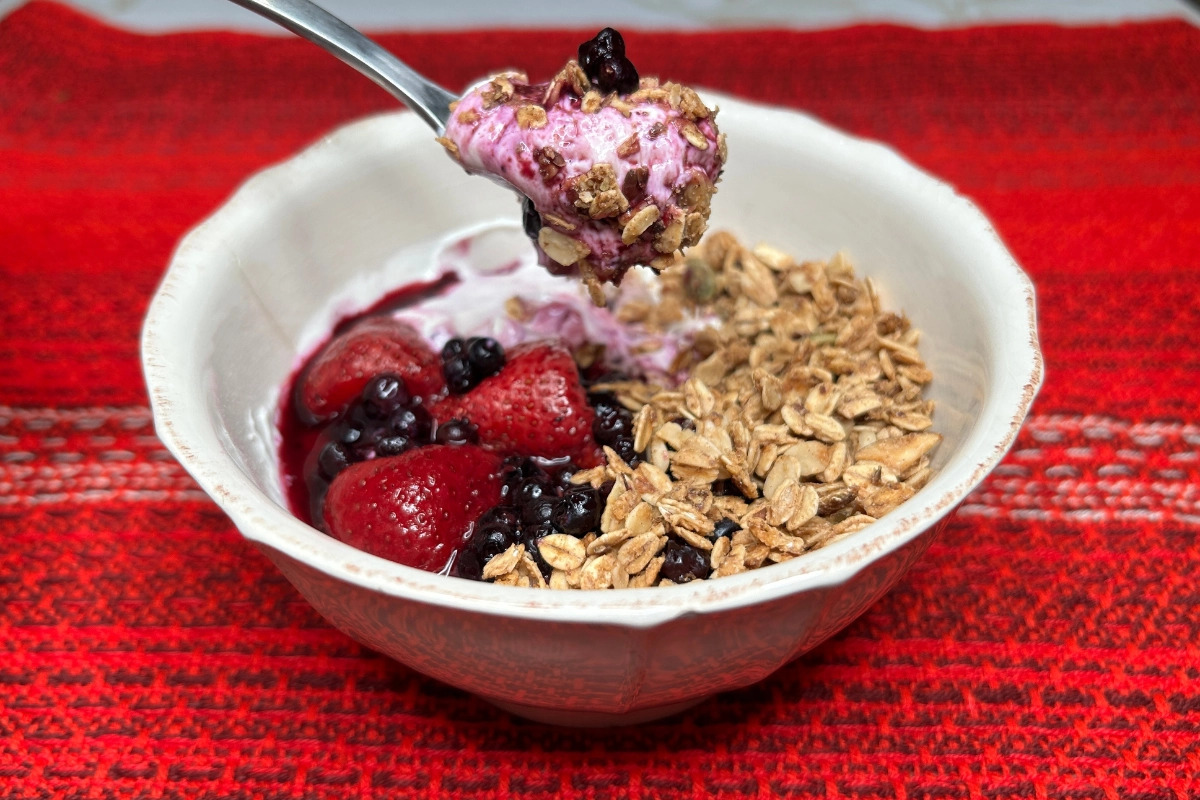
Looking for a snack that’s yummy and genuinely good for your kids? Protein yoghurt is an easy win. It’s creamy, kid-friendly, and loaded with protein, calcium and other nutrients that support growth, energy and day-to-day development. Research backs this up too, showing that kids and teens need adequate protein for both physical and cognitive growth while still keeping overall intake balanced to avoid long-term risks like overweight or obesity.
Protein yoghurt made from animal-based proteins offers a high-quality source of essential amino acids that growing bodies rely on for strong muscles, bones and organs. Plant-based versions can still be a good choice, but they often need a bit more care to fill potential nutrient gaps because plant proteins are less digestible and may not provide all amino acids.
Adding protein yoghurt to your child’s routine gives them a steady, tasty source of protein and micronutrients that help keep energy levels more consistent. It also makes snack time feel both fun and nourishing.
If you’re ready to turn everyday snacks into something delicious and genuinely helpful for growing kids, read on for the benefits, tips and easy serving ideas.
Boost Nutrition the Easy Way
Encouraging children to eat protein-rich snacks can be simple with the right approach. Healthy Parents, Healthy Kids by Dr Nick Fuller shows parents how to turn foods like protein yoghurt into fun, appealing options, helping kids enjoy nourishing meals without battles.
Grab your copy of Healthy Parents, Healthy Kids today and discover stress-free ways to boost your child’s nutrition.
What Is Protein Yoghurt?
Protein yoghurt is basically your regular yoghurt with a little extra muscle, thanks to added protein from milk, Greek yoghurt, or plant-based alternatives. Unlike many kid-targeted yoghurts that are high in sugar and low in anything truly helpful, protein yoghurt is made to keep little tummies fuller for longer while still giving that creamy, delicious flavour kids love. Higher-protein yoghurt can help improve satiety, support muscle development and even contribute to steadier energy throughout the day.
If your child follows a plant-based diet, there are fortified options too. Just make sure they provide all the essential amino acids and key micronutrients, since plant proteins can be a bit harder for the body to absorb.
Why Protein Yoghurt Is Great for Kids
From growth to energy, here’s why adding protein yoghurt for kids stands out:
High in protein for growth
Protein is essential for growing bodies, supporting the development of muscles, tissues, and even hair and nails. A serving of protein yoghurt contributes significantly to a child’s daily protein needs. Research shows that milk protein in yoghurt can help maintain muscle mass and support skeletal growth in children, making it a powerful growth-promoting snack.
Supports strong bones and teeth
Protein yoghurt is naturally rich in calcium, which works together with protein to strengthen bones and teeth. Adequate calcium intake during childhood lays the foundation for lifelong skeletal health, while also supporting proper nerve function and muscle contraction.
Keeps kids full longer
Protein slows digestion and prolongs satiety, helping kids feel fuller between meals. This can reduce the tendency to snack on less nutritious foods, making protein yoghurt a perfect option for busy mornings or long school days.
Aids in muscle development
Milk protein in yoghurt provides the essential building blocks for muscle repair and growth, which is especially important for active kids who need steady energy and support for their growing muscles. Even small daily servings, combined with play or exercise, can promote healthy muscle development over time.
Provides a reliable source of calcium
Beyond bones and teeth, calcium from protein yoghurt contributes to important bodily functions, including nerve signalling and muscle movement. A regular serving ensures your child consistently gets this vital nutrient.
Boosts energy levels
Protein yoghurt helps keep energy levels steady. According to a study, high-protein yoghurt, whether enriched with whey or alpha-lactalbumin, can improve protein balance and reduce hunger. This helps children maintain consistent energy and feel fuller for longer compared with lower-protein options.
Encourages healthy eating habits
Introducing protein-rich snacks early teaches kids to enjoy foods that nourish their bodies. Regularly enjoying protein yoghurt helps normalise healthy choices and encourages lifelong nutritious eating patterns.
How to Choose the Right Protein Yoghurt
Not all protein yoghurts are created equal, so it pays to know what to look for:
Check the sugar content
Some yoghurts aimed at kids are packed with sugar, which can undo the nutritional benefits. Choose options with minimal added sugar to keep the snack wholesome.
Look for natural ingredients
Check labels for real, natural ingredients rather than long lists of additives. Natural yoghurts tend to provide more nutritional value and fewer unnecessary extras.
Choose plain or lightly flavored options
Plain or lightly flavoured yoghurts give you more control over sugar content while still tasting great. You can always add fresh fruit or a drizzle of honey for natural sweetness.
Avoid artificial colors or sweeteners
Artificial additives may appeal to kids visually but offer little to no nutritional benefit. Stick to products that avoid these chemicals for a cleaner, healthier snack.
Pick age-appropriate portions
Serving sizes should match your child’s age and appetite. Too much can contribute to unnecessary calories, while too little may not be satisfying. Age-appropriate portions ensure your child gets the benefits without overdoing it.
If you’re unsure which yoghurt to choose for your child, this video can help guide you. It explains what to look for in a nutritious yoghurt and how to pick a tasty option your kids will enjoy. Watch and make snack time both healthy and delicious.
Homemade Protein Yoghurt Ideas
Homemade protein yoghurt is a fun, flexible way to boost your child’s protein intake while letting you control the flavours and ingredients. Here are some easy and delicious ideas to get you started.
Greek yoghurt with nut butter

Creamy, protein-packed and totally customisable, this Greek yoghurt with nut butter is a quick, satisfying snack for kids. It’s perfect for breakfast, after-school munching or a mid-morning energy boost.
Type: High protein, vegetarian, gluten free
Serves: 1–2 kids
Prep Time: 5 minutes
Cook Time: 0 minutes
Ingredients
- 1 cup Greek yoghurt
- 1–2 tbsp peanut butter, almond butter, or cashew butter
- 1 tsp honey or maple syrup (optional, for kids over 1 year)
- ½ tsp cinnamon (optional)
- Fresh fruit or berries for topping
Recipe
- Spoon the Greek yoghurt into a bowl.
- Swirl through nut butter until evenly mixed.
- Drizzle lightly with honey or maple syrup if desired.
- Sprinkle it with cinnamon and top with fresh fruit or berries.
- Serve immediately, or store in the fridge for up to a day for a quick grab-and-go snack.
Yoghurt and chia seed blend

A simple, nutrient-packed snack that’s creamy, slightly crunchy and full of protein and fibre. This yoghurt and chia seed blend is perfect for breakfast, lunchboxes or an after-school energy boost.
Type: High protein, vegetarian, gluten free
Serves: 1–2 kids
Prep Time: 5 minutes
Cook Time: 0 minutes (plus optional 15–20 minutes for chia to swell)
Ingredients
- 1 cup Greek yoghurt
- 1–2 tsp chia seeds
- ½ tsp vanilla extract (optional)
- 1 tsp honey or maple syrup (optional, for kids over 1 year)
- Fresh fruit or berries for topping
Recipe
- Spoon Greek yoghurt into a bowl.
- Stir in chia seeds and vanilla extract if using.
- Drizzle lightly with honey or maple syrup for natural sweetness.
- Let sit for 15–20 minutes if you want the chia seeds to swell for a thicker texture (optional).
- Top with fresh fruit or berries and serve immediately, or store in the fridge for a grab-and-go snack.
Banana yoghurt smoothie bowl

Thick, creamy and naturally sweet, this banana yoghurt smoothie bowl is a fun, protein-packed breakfast or snack for kids. Top with fruit or seeds for extra texture and nutrition.
Type: High protein, vegetarian, gluten free
Serves: 1–2 kids
Prep Time: 5 minutes
Cook Time: 0 minutes
Ingredients
- 1 ripe banana
- ¾ cup Greek yoghurt
- ¼ cup milk or plant-based milk
- 1 tsp honey or maple syrup (optional, for kids over 1 year)
- Toppings: sliced fruit, berries, chia seeds, granola (optional)
Recipe
- In a blender, combine banana, Greek yoghurt, milk and honey if using. Blend until smooth and creamy.
- Pour into a bowl.
- Top with sliced fruit, berries, chia seeds or granola as desired.
- Serve immediately with a spoon for a fun, colourful, protein-packed snack.
Berry yoghurt whip

Light, fluffy and packed with fruity flavour, this berry yoghurt whip is a fun way to get kids eating more protein and fruit. Perfect for breakfast, snack time, or a healthy dessert alternative.
Type: High protein, vegetarian, gluten free
Serves: 1–2 kids
Prep Time: 5 minutes
Cook Time: 0 minutes
Ingredients
- 1 cup Greek yoghurt
- ½ cup mixed berries (fresh or thawed if frozen)
- 1 tsp honey or maple syrup (optional, for kids over 1 year)
- 1–2 tsp chia seeds or flaxseeds (optional)
Recipe
- Place Greek yoghurt and berries in a bowl.
- Using a fork or small whisk, lightly mash and mix until combined but still slightly chunky.
- Drizzle with honey or maple syrup if desired.
- Stir in chia or flaxseeds for extra fibre and omega-3s.
- Serve immediately or chill for 5–10 minutes for a slightly firmer texture.
Yoghurt with oats and seeds

A hearty, protein-packed snack that combines creamy yoghurt, chewy oats and crunchy seeds. Perfect for breakfast, after-school fuel, or a healthy dessert that keeps kids full and energised.
Type: High protein, vegetarian, gluten free if using GF oats
Serves: 1–2 kids
Prep Time: 5 minutes
Cook Time: 0 minutes
Ingredients
- 1 cup Greek yoghurt
- 2 tbsp rolled oats (or quick oats)
- 1 tsp chia seeds
- 1 tsp flaxseeds or sunflower seeds
- ½ tsp honey or maple syrup (optional, for kids over 1 year)
- Fresh fruit for topping (optional)
Recipe
- Spoon Greek yoghurt into a bowl.
- Stir in rolled oats, chia seeds, and flax or sunflower seeds.
- Drizzle lightly with honey or maple syrup if desired.
- Top with fresh fruit for extra flavour and colour.
- Serve immediately, or let sit for a few minutes for oats to soften slightly.
Chocolate protein yoghurt

Creamy, chocolaty and packed with protein, this yoghurt is a fun way to sneak in some extra nutrition. Perfect for breakfast, after-school snacks or a quick, satisfying treat.
Type: High protein, vegetarian, gluten free
Serves: 1–2 kids
Prep Time: 5 minutes
Cook Time: 0 minutes
Ingredients
- 1 cup Greek yoghurt
- 1 tsp cocoa powder
- 1 tsp honey or maple syrup (optional, for kids over 1 year)
- 1–2 tsp chia seeds or flaxseeds (optional)
- Mini chocolate chips or cacao nibs for topping (optional)
Recipe
- Spoon Greek yoghurt into a bowl.
- Stir in cocoa powder and honey or maple syrup until smooth and evenly mixed.
- Add chia seeds or flaxseeds if desired for extra nutrition.
- Top with mini chocolate chips or cacao nibs for fun texture.
- Serve immediately, or chill for a thicker, creamier texture.
Easy Ideas to Enjoy Protein Yoghurt
Protein yoghurt is versatile, and getting creative with toppings can make it more appealing for kids. Mix textures, colours, and flavours to turn a simple snack into an exciting treat:
- Add fresh fruit: Strawberries, blueberries, kiwi, or banana slices add natural sweetness, vibrant colour, and extra vitamins.
- Mix with granola or nuts: Adds crunch, texture variety, protein, fibre, nd healthy fats.
- Blend into smoothies: Combine with fruits like berries or mango, a splash of milk, and even spinach for a quick, nutrient-rich drink.
- Freeze into yoghurt pops: Layer with fruit or drizzle honey before freezing for a fun, cool snack.
- Use as a dip for fruit: Apple slices, strawberries, or pear chunks make snack time interactive.
- Layer in a parfait jar: Combine yoghurt, fruit, granola, and a drizzle of honey for a visually appealing, make-ahead snack.
- Stir in honey or nut butter: Adds natural sweetness, richness, and extra protein and healthy fats.
Want more simple, protein-packed ideas for kids? Check out our Quick 5-Ingredient Meals For Picky Eaters That Are A Sure Hit.
Final Thoughts
Protein yoghurt might be simple, but it’s a seriously smart snack! Creamy, versatile, and kid-approved, it can be enjoyed as smoothies, parfaits, frozen pops, or even fun dips. Toss in some fruit, a sprinkle of nuts, or a drizzle of honey, and you’ve got snacks that kids actually love and parents feel good about. Adding protein yoghurt to your child’s routine is an easy tweak that makes a big difference for growth, energy, and happy, healthy habits.
Stay informed with fresh tips, expert guidance, unique deals, and tailored support!
Meet Dr Nick Fuller
My Story
As a father, I know first-hand that raising healthy and happy children is tricky. Children are fussy, particularly at the end of the day when they are shattered. We also live in a society where companies seek to profit from what we feed our kids; incorrect and damaging advice is pushed on us and marketed towards our children, and we have no time.
But with these recipes and resources, you and your children can enjoy simple and well-founded food and lifestyle choices for lifelong health.

About Dr Nick Fuller
Dr Nick Fuller is the founder of Interval Weight Loss and is a leading obesity expert at the University of Sydney with a Ph.D. in Obesity Treatment. Dr Fuller is also the author of three best-selling books and his work been published in top ranked journals in the medical field, including JAMA, Lancet and American Journal of Clinical Nutrition.