The Easy Beginner’s Guide to Making Tasting Trays for Kids

Dr Nick Fuller
Leading Obesity Expert at the University of Sydney and founder of Interval Weight Loss.
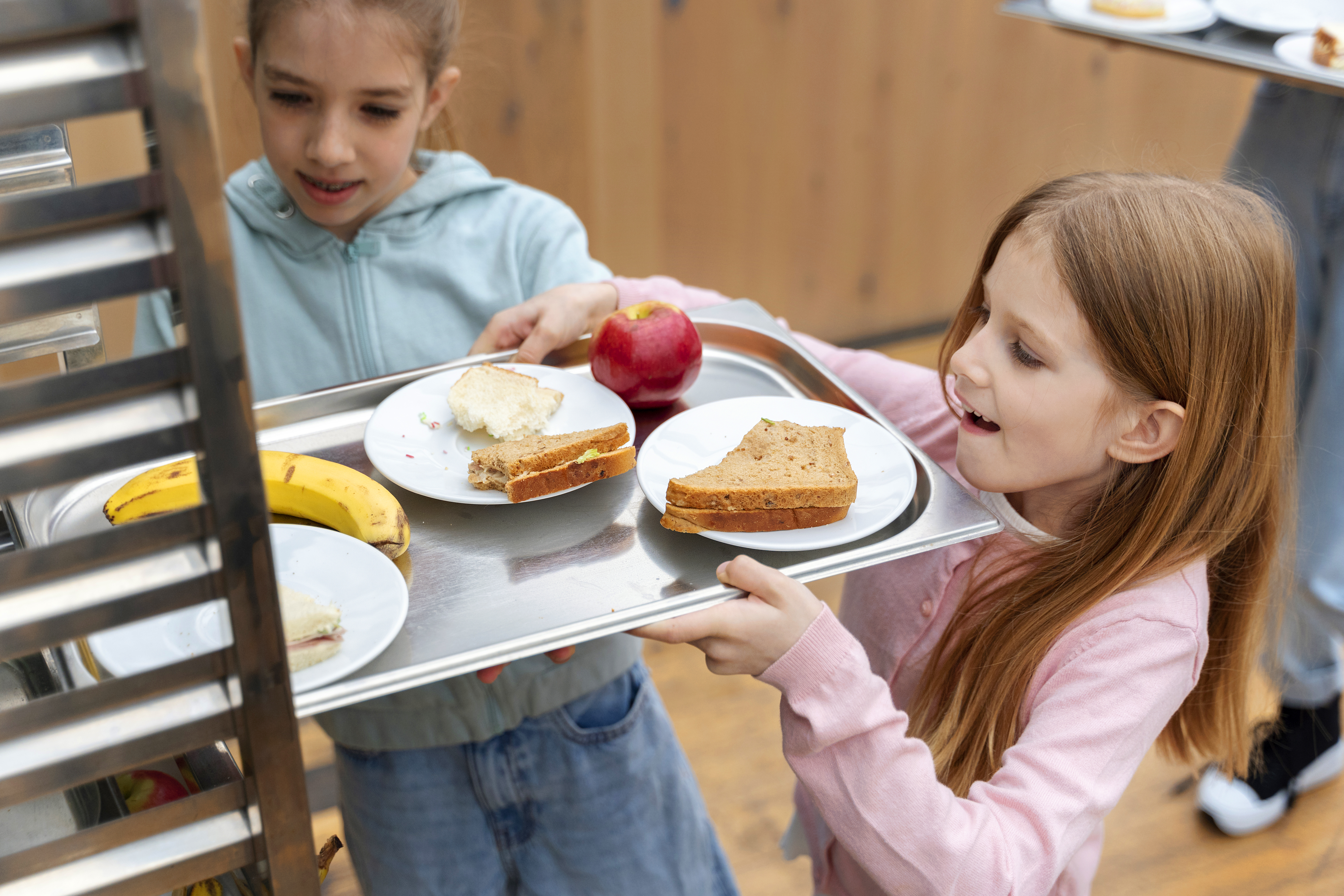
Looking for a fun, fuss-free way to get your kids actually excited about trying new foods? Tasting trays for kids might just be your new secret weapon. These colourful, bite-sized spreads turn snack time into a bit of a mini adventure, letting little ones explore different flavours and textures without any of the usual ‘eat your greens’ pressure.
It’s a bigger deal than you might think, too. In 2014–2015, only around 5% of Australian children aged 2–18 years met the recommended daily intake for vegetables, so finding a playful way to bridge that gap is a huge win. Whether it’s crunchy carrots, fruity bites, or a bit of mild cheese and dip, these trays are perfect for picky eaters, parties, or just a random Tuesday lunch.
Read on for some easy ideas and tips to create tasting trays for kids that they’ll actually want to dive into, and who knows, they might even find a new favourite along the way.
Make Mealtimes a Fun, Stress-Free Adventure
Introducing new foods can definitely be tricky, but tasting trays make the whole process feel like a game rather than a chore. That’s exactly the kind of approach Dr Nick Fuller shares in Healthy Parents, Healthy Kids. The book is packed with practical strategies to help you encourage your kids to explore nutritious foods without the mealtime battles.
If you’re ready to turn that curiosity into healthy habits, grab your copy of Healthy Parents, Healthy Kids today. It’s all about making eating fun, engaging, and, most importantly, nourishing for the whole family.
Easy-to-Make Tasting Tray Recipes for Kids
Making tasting trays for kids really doesn't need to be a massive production. With just a few bits and pieces from the fridge and a tiny bit of creativity, you can whip up a colourful, bite-sized spread that looks great and actually gets eaten. It’s all about keeping it simple.
Healthy Grazing Board

Perfect for kids (and adults too), these boards mix fruits, vegetables, cheeses, dips, and crunchy bites in a way that’s fun to explore. Children are more likely to try new foods when they’re presented in small, varied portions, which makes grazing boards a clever way to boost veggie and fruit intake.
Serves
- 2 adults and 2 kids
- Prep time 15 minutes
Ingredients
Fresh fruits
- 1 apple sliced thin
- 1 cup grapes
- 1 cup mixed berries
- 1 orange peeled and segmented
Fresh vegetables
- 1 cucumber cut into sticks
- 2 carrots cut into sticks
- 1 cup cherry tomatoes
- 1 bell pepper sliced
Proteins
- 2 boiled eggs, halved
- 1 cup grilled chicken pieces
- 1 cup paneer cubes
- ½ cup hummus
Healthy fats
- 1 ripe avocado sliced
- ¼ cup olives
- 2 tablespoons nut butter
Crunchy items
- 1 cup whole-grain crackers
- 4 rice cakes broken into pieces
- ½ cup roasted chickpeas
- 1 cup plain popcorn
Cheese
- ½ cup cheddar cubes
- ½ cup mozzarella balls
Dips
- ½ cup Greek yoghurt dip
- ½ cup hummus
- ½ cup guacamole
Preparation
- Wash and dry all fruits and vegetables
- Slice fruits and vegetables into bite-sized pieces
- Boil eggs, peel, and cut in half
- Lightly season grilled chicken with salt
- Toast paneer cubes lightly in a pan if desired
- Prepare Greek yoghurt dip with yoghurt and a pinch of salt
- Keep hummus and guacamole ready
Assembly
- Place three small bowls on the board for Greek yoghurt dip hummus, and guacamole
- Arrange apple slices, grapes, berries, and orange segments on one side
- Place cucumber sticks, carrot sticks, cherry tomatoes, and bell pepper strips near the dips
- Add boiled eggs, grilled chicken, and paneer cubes in the center
- Place avocado slices, olives, and nut butter in small sections
- Fill the remaining space with crackers, rice cakes, roasted chickpeas, and popcorn
- Finish by adding cheddar cubes and mozzarella balls evenly around the board
How to serve
- Serve immediately while everything is fresh
- Refill fruits, vegetables, or dips as needed
- Works well as an after-school meal or light dinner
Christmas Wreath Fruit Platter

Make snack time festive with this kid-friendly Christmas wreath fruit platter. Perfect for lunchboxes, playdates, or holiday gatherings, it’s a colourful way to get kids excited about fruit. For easy transport, chop the fruit ahead of time and arrange it into a wreath shape when you’re ready to serve. This healthy snack doubles as a fun activity. Kids can help create the wreath. You can mix and match seasonal fruit and make the wreath any size to suit your little ones.
Type: Vegetarian, Vegan, Gluten Free, Lactose Free, Kid Friendly
Makes 1 wreath
Prep Time: 10 minutes
Cooking Time: 0 minutes
Ingredients
- Assorted selection of fresh seasonal fruit, chopped into varying sizes. (We chose watermelon, rock melon, honeydew melon, strawberries, cherries, raspberries, and blackberries)
- Sprigs of fresh mint, to serve
Recipe
1. Choose a large circular serving plate. Begin by arranging pieces of chopped melon and strawberries into a circular shape around the border of the plate.
2. Top with the smaller pieces of fruit and berries, filling in the gaps until you have created a thick wreath shape fruit arrangement.
3. An optional step to add some extra festive decoration is to slice the watermelon, rock melon, and/or honeydew melon into stars, using a star shaped cookie cutter. Arrange the stars on top of the wreath.
4. Top the fruit wreath with some sprigs of fresh mint. Serve immediately and enjoy!
Benefits of Tasting Trays
Tasting trays aren’t just cute and colourful. They actually offer a bunch of benefits for kids and parents.
Encourages kids to try new foods
Offering a variety of foods increases the likelihood that children will choose and eat something they might otherwise skip. One study found kids were far more likely to select food when offered a variety rather than a single item.
Reduces mealtime pressure
No more forcing bites or battles at the table. Tasting trays turn eating into a playful experience, so kids can choose what and how much to eat without stress.
Supports independent eating
With everything laid out in easy-to-grab pieces, kids can serve themselves and practice decision-making skills and feel proud of their choices.
Helps with picky eating phases
Repeated exposure to new foods through small tastes, and without pressure, can increase acceptance over time. Offering tiny servings repeatedly helps kids get used to new tastes.
Builds positive food habits early
Early food exposure and variety are linked with broader taste preferences later in life, giving kids a better chance to enjoy a diverse diet as they grow.
Improves food variety exposure
A colourful tray packed with fruits, veggies, proteins, and healthy fats gives kids exposure to different nutrients, textures, and flavours, a key factor in balanced diets.
Makes meals more enjoyable
Eating becomes an experience rather than a chore. A visually appealing tray turns a snack or lunch into something kids actually look forward to.
Reduces food waste
Small portions mean kids can try what they like without leaving untouched piles of food behind — a win for both nutrition and your wallet.
Tips to Build Balanced Tasting Trays
Creating a tasting tray that’s both fun and nutritious is easier than you think. Here’s how to get started:
- Include at least one familiar food: Start with something your child already enjoys. This gives them a sense of comfort and increases the likelihood they’ll try the new items.
- Add one new or less liked food: Pair a familiar favourite with a new or previously rejected food. Repeated low-pressure exposure can help kids accept it over time.
- Balance fruits, vegetables, proteins, and fats: Aim for a mix of colours and nutrients. Think carrot sticks, cheese cubes, berries, and hummus for a well-rounded tray.
- Keep portions small and manageable: Tiny bites reduce overwhelm and make it easier for kids to taste everything without filling up too fast.
- Mix soft and crunchy textures: Varying textures keeps trays interesting and helps children develop sensory awareness.
- Use colourful foods: Bright reds, oranges, greens, and purples naturally attract kids and make the tray visually fun.
- Avoid overcrowding the tray: Leave a little space between items. Overcrowding can be overwhelming and make it hard for kids to pick what they want.
- Rotate foods regularly: Switch up fruits, vegetables, dips, and proteins to keep mealtimes exciting and ensure kids get exposure to a wide range of nutrients.
Looking for even more tasty bites? Explore our Finger Food Dinners for Kids to add fun, healthy options to your next tray.
Wrapping Up
Tasting trays are more than just a colourful snack. They’re a simple, stress-free way to encourage kids to try new foods, explore flavours, and build healthy eating habits early. With small portions, a mix of familiar favourites and new bites, and a little creativity, you can turn snack time into a fun adventure for little ones. Plus, they’re perfect for parties, lunchboxes, or even quiet afternoons at home.
So grab a tray, gather some fruits, veggies, proteins, and healthy dips, and watch your kids dive in with curiosity and excitement. Don’t forget to check out our other kid-friendly recipe ideas like Chicken Wrap for Kids or Fish Fingers for Kids for even more inspiration to make mealtime fun!
Stay informed with fresh tips, expert guidance, unique deals, and tailored support!
Meet Dr Nick Fuller
My Story
As a father, I know first-hand that raising healthy and happy children is tricky. Children are fussy, particularly at the end of the day when they are shattered. We also live in a society where companies seek to profit from what we feed our kids; incorrect and damaging advice is pushed on us and marketed towards our children, and we have no time.
But with these recipes and resources, you and your children can enjoy simple and well-founded food and lifestyle choices for lifelong health.

About Dr Nick Fuller
Dr Nick Fuller is the founder of Interval Weight Loss and is a leading obesity expert at the University of Sydney with a Ph.D. in Obesity Treatment. Dr Fuller is also the author of three best-selling books and his work been published in top ranked journals in the medical field, including JAMA, Lancet and American Journal of Clinical Nutrition.