Why Pea Hummus For Kids Works So Well For Picky Eaters

Dr Nick Fuller
Leading Obesity Expert at the University of Sydney and founder of Interval Weight Loss.
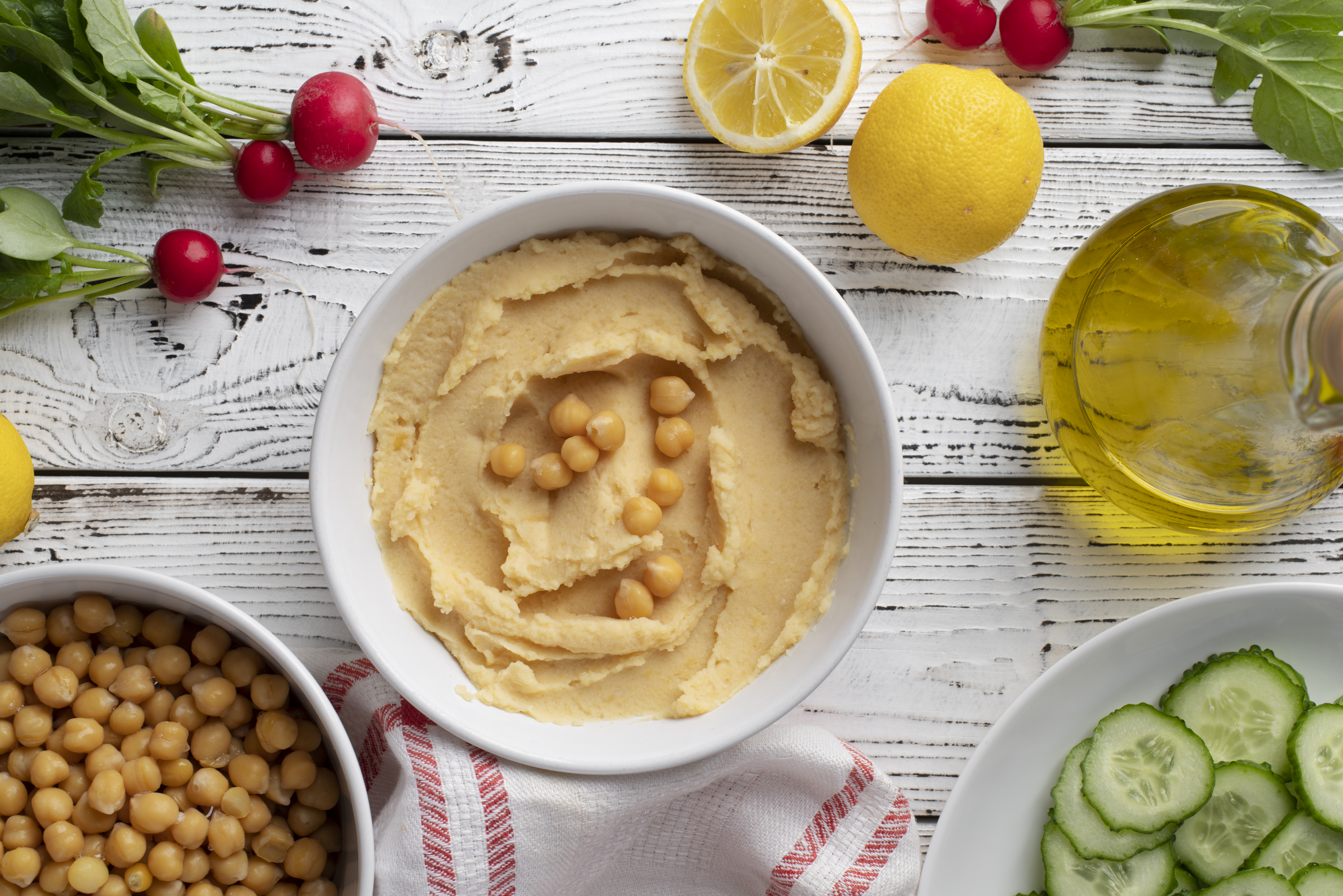
Most kids have a ‘no way’ zone when it comes to green foods. Pea hummus sneaks in protein, fibre, and vitamins in a way that tastes familiar, and suddenly, those little green scoops disappear fast.
Research shows that children are highly sensitive to food textures, often preferring smooth, creamy foods over lumpy or crunchy options, which can influence their willingness to try new foods. The naturally silky texture of pea hummus makes it ideal for picky eaters, while its mild, slightly sweet flavour appeals to younger tastebuds.
Making pea hummus together is a fun way to introduce kids to new flavours and colours. It’s also versatile, which makes it ideal for sandwiches, wraps, dips, or snacks that the whole family can enjoy.
Turn Peas into a Snack Kids Will Love!
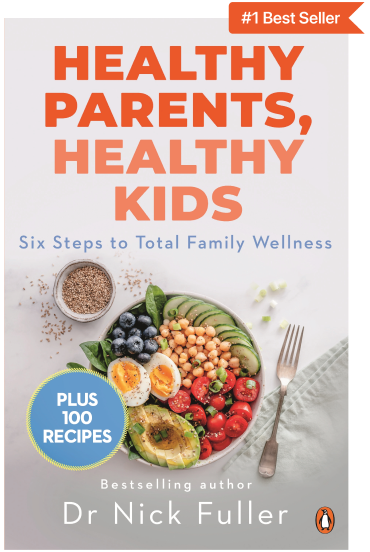
Even picky eaters can learn to enjoy nutritious foods with a little creativity. Dr Nick Fuller’s Healthy Parents, Healthy Kids is full of effective strategies and practical tips to make healthy dips and snacks, like pea hummus, appealing and delicious for children.
Grab your copy of Healthy Parents, Healthy Kids today and discover how to make mealtimes fun, stress-free, and full of healthy options.
What Is Pea Hummus?
Pea hummus is a variation of traditional hummus, swapping chickpeas for green peas while keeping all the creamy, smooth goodness. The bright green colour is naturally appealing to kids, making it feel fun and exciting on the plate. Like regular hummus, it’s blended with olive oil, lemon juice, and a hint of garlic for flavour, but it’s milder and slightly sweeter, perfect for younger tastebuds.
Easy Steps to Make Pea Hummus at Home
Making pea hummus at home is quicker than you think, and it gives you full control over flavour and nutrition. Even kids can get involved in simple tasks like pressing the blender button or stirring ingredients, making it a fun kitchen activity.
Ingredients You’ll Need
- 1 ½ cups cooked or frozen peas
- 2–3 tablespoons tahini (or sunflower seed butter for a milder taste)
- 2 tablespoons olive oil
- 1–2 tablespoons lemon juice
- 1 small garlic clove (optional)
- Salt to taste
- Water as needed for smoothness
Step 1: Blend the peas
Add the peas to a food processor or blender. Pulse until they’re roughly broken down and soft. This makes it easier to get a creamy texture in the next steps.
Step 2: Add flavour ingredients
Add tahini, olive oil, lemon juice, garlic (if using) and a pinch of salt. Blend until smooth. Scrape down the sides as needed to ensure everything is evenly mixed.
Step 3: Adjust texture
If the hummus is too thick, add water, one tablespoon at a time, until it reaches a creamy, spreadable consistency that’s easy for little fingers to scoop.
Step 4: Taste and adjust
Give it a taste! Add a little more lemon juice, salt or olive oil if needed. This is a great moment to let kids try a small spoonful — they often love tasting their own creation.
Step 5: Serve and store
Serve immediately with toast, crackers, veggie sticks or wraps. Store leftovers in an airtight container in the fridge for up to 3–4 days.
Homemade pea hummus is simple, versatile, and a fun way to involve kids in the kitchen while adding a nutritious boost to their snacks and meals.

Healthy Reasons to Serve Pea Hummus to Kids
Pea hummus is a small dip with big nutrition perks. Here’s why it could earn a spot on your child’s plate.
High in plant protein
Peas are naturally rich in plant-based protein, which supports the growth and repair of muscles, tissues and cells during childhood’s rapid development. They provide a meaningful amount of high-quality protein, making them an easy way to strengthen the nutrient profile of everyday meals without relying solely on animal sources.
Rich in fibre
Pea hummus contains fibre that helps keep digestion moving comfortably, a big help for kids who experience occasional constipation or tummy discomfort. Dietary fibre from legumes has been shown to improve stool bulk and support regular bowel movements, contributing to overall digestive health in children and adults alike.
Packed with vitamins and minerals
Peas offer a wide range of micronutrients, including folate, vitamin C, vitamin K, iron, magnesium and zinc. These vitamins and minerals support key functions such as immunity, bone development and healthy blood formation. Research on legumes highlights their role in improving nutrient intake and supporting overall growth in young populations.
Supports healthy digestion
Beyond fibre, peas contain prebiotic components that can help nourish beneficial gut bacteria. Studies suggest that the resistant starch and oligosaccharides found in legumes may support gut microbiota diversity, which in turn contributes to smoother digestion and improved gut function over time.
Great source of steady energy
Because pea hummus combines complex carbohydrates, protein and fibre, it provides a more stable energy release than snacks high in refined sugars. The slow-digesting carbohydrates in legumes help maintain more consistent energy levels and healthier blood-sugar responses — helpful for active, growing kids.
Kid-friendly flavour
Pea hummus has a naturally mild and slightly sweet flavour that makes it easier for picky eaters to accept compared to stronger-tasting vegetables or legumes. Offering these flavours in a smooth, familiar dip can increase a child’s willingness to try pulses, gradually expanding food variety, a known strategy for improving acceptance in fussy eating research.
Helps build healthy eating habits
Repeated, low-pressure exposure to nutrient-dense foods helps children expand their food preferences over time. Introducing legumes in simple, enjoyable forms, such as hummus, aligns with evidence showing that regular exposure supports healthier long-term eating patterns and reduces resistance to new foods.
Pea Hummus Serving Tips for Fussy Kids
Pea hummus works in more ways than you might expect. From quick breakfasts to fun snacks, these ideas make it easy to add flavour and nutrition to your child’s day.
- Spread on toast: Thin layer on wholegrain toast, optionally topped with avocado or cherry tomatoes.
- Veggie dip: Serve with carrot sticks, cucumber slices, or bell pepper strips for a fun snack.
- Side for meals: Add a small scoop alongside grilled chicken, fish, or tofu.
- Wrap or sandwich filling: Spread under turkey, cheese, or roasted veggies for an easy-to-hold meal.
- Cracker topping: Use on wholegrain crackers or rice cakes, with cucumber or seeds for variety.
- Snack jars: Layer with veggies, grains, or lentils for a colourful, ready-to-go snack.
- Mini pita pizzas: Spread on mini pitas, add toppings like cheese or tomatoes, and grill briefly for a tasty, nutrient-packed treat.
Wrapping Up
Pea hummus is a simple, versatile way to introduce protein, fibre, vitamins, and fun into your child’s meals. Whether spread on toast, used as a dip, layered in jars, or turned into mini pita pizzas, it’s a kid-friendly option that even fussy eaters can enjoy.
For more practical strategies and expert guidance on raising healthy eaters, explore Dr Nick Fuller’s Healthy Parents, Healthy Kids, your go-to resource for simple, evidence-based ways to make healthy eating enjoyable for the whole family.
Looking for more sneaky ways to get veggies into your child’s diet? Check out our Top Hidden Vegetable Recipes For Picky Eaters — fun, tasty, and kid-approved.
Stay informed with fresh tips, expert guidance, unique deals, and tailored support!
Meet Dr Nick Fuller
My Story
As a father, I know first-hand that raising healthy and happy children is tricky. Children are fussy, particularly at the end of the day when they are shattered. We also live in a society where companies seek to profit from what we feed our kids; incorrect and damaging advice is pushed on us and marketed towards our children, and we have no time.
But with these recipes and resources, you and your children can enjoy simple and well-founded food and lifestyle choices for lifelong health.

About Dr Nick Fuller
Dr Nick Fuller is the founder of Interval Weight Loss and is a leading obesity expert at the University of Sydney with a Ph.D. in Obesity Treatment. Dr Fuller is also the author of three best-selling books and his work been published in top ranked journals in the medical field, including JAMA, Lancet and American Journal of Clinical Nutrition.